
Shielding Your Assets: Why Protective Coatings Matter More Than Ever
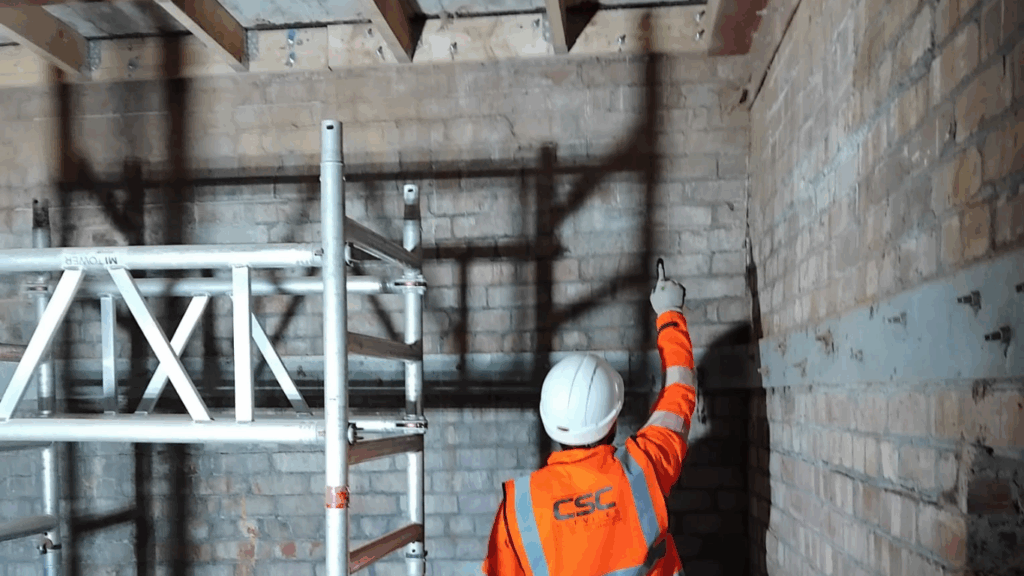
In sectors such as water treatment, power generation, marine works and public infrastructure, your concrete and steel assets live under constant pressure. Between moisture, chemicals, chloride exposure, freeze-thaw cycles and heavy usage, assets can deteriorate faster than expected, leading to maintenance headaches, safety risks, compliance issues and sometimes even structural failure. But there’s a proactive way to break that cycle: protective coatings.
Applying high-performance coatings can transform the resilience of concrete and steel assets, helping ensure safety, extend service life and reduce long-term maintenance burdens.
The Hidden Threats to Infrastructure
Whether it’s a water reservoir, a power station bund, a harbour structure or a bridge, every piece of infrastructure faces similar vulnerabilities.
Moisture Intrusion, Carbonation and Steel Corrosion
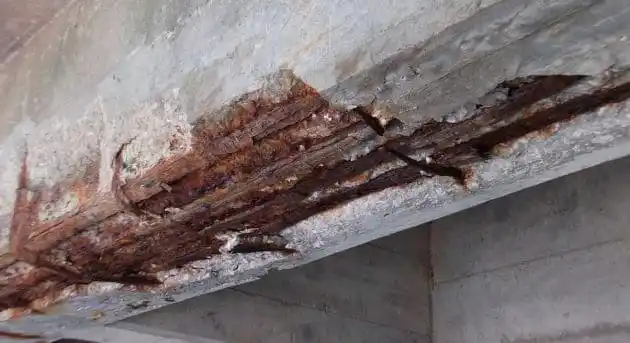
Concrete may look solid and robust, but it’s naturally porous. Over time, moisture and carbon dioxide seep in, reacting with the concrete and reducing its alkalinity. This process, known as carbonation, gradually erodes the protective concrete cover around embedded steel reinforcement, allowing rust to form, expand and crack the concrete. The result: spalling,
cracking and structural weakening.
If parts of a structure already show low concrete cover: for example, on older bridges or pre-cast concrete sections, the risks are even greater. Recasting or demolition might be considered, but that’s costly, time consuming and disruptive.
Chemical, Salt and Chloride Attack, Especially in Water and Marine Settings
Water treatment plants, wastewater infrastructure, sea-facing marine structures, tunnels or coastal installations are often exposed to aggressive agents. Salt, chlorides, chemicals, fluctuating moisture and even freeze-thaw cycles or de-icing salts all accelerate deterioration of concrete and corrosion of steel within it.
Abrasion, Wear and Environmental Exposure
Heavy use, industrial traffic, vibration and weather (rain, UV, temperature swings) put wear and tear on infrastructure. Over time, surfaces degrade, protective layers break down and structural integrity becomes compromised.
Regulatory, Safety and Continuity Pressures
For asset owners and procurement managers, there are more than just technical problems. Failing or unsafe infrastructure can lead to health and safety risks, forced shutdowns, non-compliance with standards and expensive reactive repairs, all under scrutiny by regulators, stakeholder or the public.
When downtime means lost service delivery, for example water supply, power generation or marine operations, or disruption to the public, the stakes become even higher.
What Protective Coatings Bring to the Table
Protective coatings are more than ‘just paint’. When properly specified and professionally applied, they act as a robust barrier, mitigating many of the threats above, and offering long-term value.
Cementitious Coatings: Rebuild Cover Without Recasting
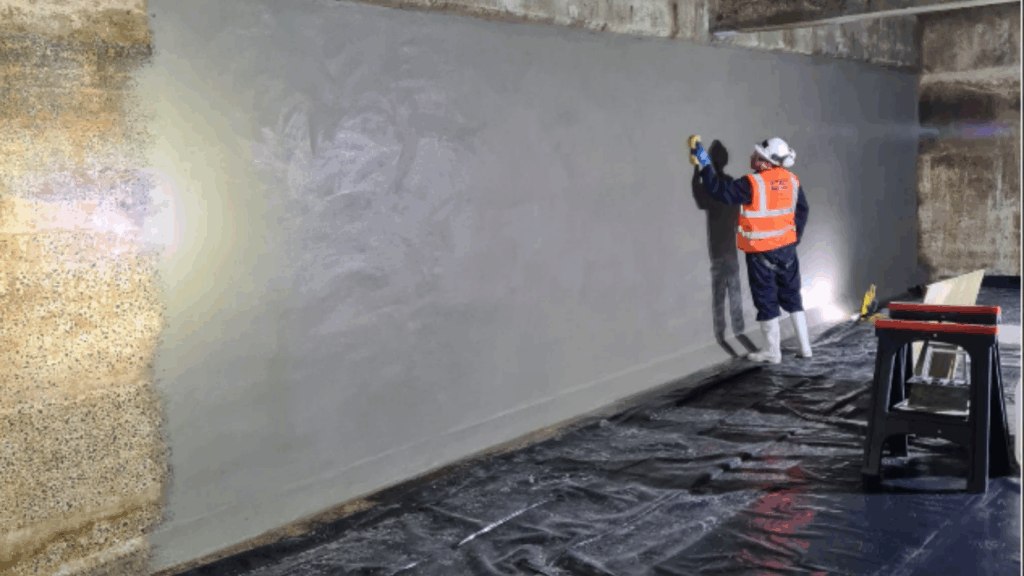
In many cases, protective cementitious coatings can reinstate concrete cover without the need for major structural overhaul. Applied at just 1mm thickness, these coatings can deliver an equivalent of 100mm of new concrete cover.
This is powerful for structures suffering from low concrete cover, exposed rebar or surface damage: instead of digging out and recasting whole sections, a well-applied cementitious coating can waterproof the concrete, block carbonation, chloride ingress and restore durability, ultimately extending design life significantly.
Waterproofing and Corrosion Prevention: Giving Concrete and Steel Lasting Protection
Waterproof coatings, anti-carbonation systems and corrosion control coatings create effective barriers against moisture, salts, CO2 and contaminants, while letting substrates breathe where needed. This is especially important in water reservoirs, marine environments or chloride-rich industrial settings.
For stem components (pipes, tanks, railings and reinforcement), corrosion-control coatings displace moisture, neutralise surface acidity, scavenge oxygen and seal micro-cracks, preventing rust, delamination or rust bleed.
Abrasion and Chemical Resistance: Protecting Surfaces Under Heavy Use
In industrial environments, such as water treatment plants, power stations and wastewater works, surfaces often face chemical exposure, abrasion and mechanical stress. Epoxy resin coatings, specialised industrial paints and protective linings, offer durability where standard paint would fail.
These coatings maintain integrity under harsh conditions, helping structures withstand wear, chemical attack and heavy mechanical loads.
Minimised Maintenance, Extended Service Life: Better Value Over Time
By proactively sealing vulnerabilities and protecting surfaces, coated assets require fewer repairs, and major overhauls become far less frequent. This reduces maintenance budgets, downtime and long-term lifecycle costs.
Moreover, in many cases, using protective coatings, rather than large-scale repairs or rebuilding, is the more cost-effective, sustainable solution.
Safety, Compliance and Reliability: Reducing Risk for Stakeholders
With preventive coatings, structural integrity is preserved and risks of leaks, contamination, spalling or collapse are greatly reduced. For water industry clients, public sector bodies or power operators, that’s critical for regulatory compliance and public safety.
When coatings are applied by accredited professionals, the work is often documented, tested, for example, dry film thickness, adhesion and surface cleanliness, and certified, giving owners confidence that protection is properly installed and maintained.
Why It Matters for You: Whether You're Managing Water, Power, Marine or Civil Assets
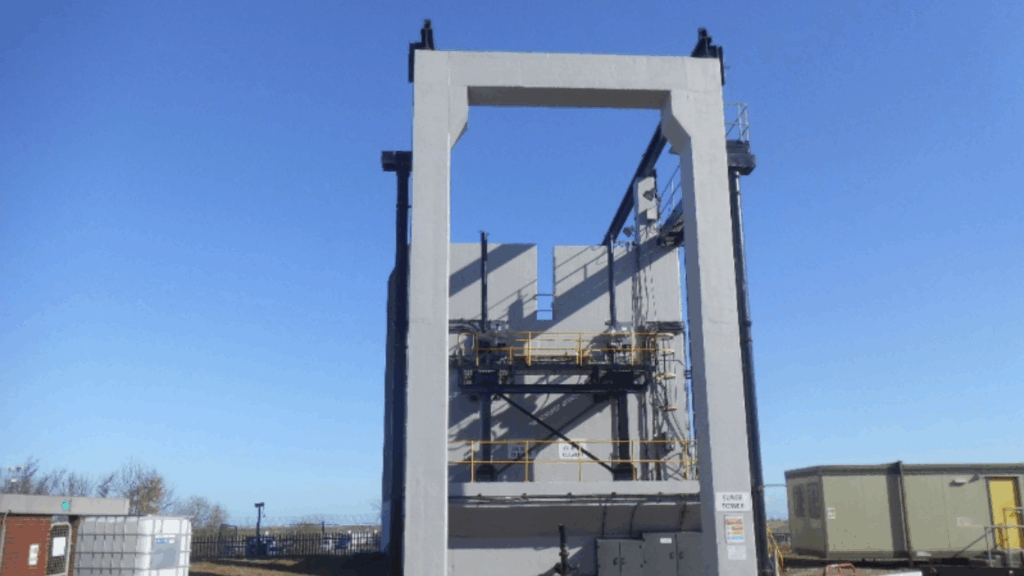
For procurement manager, engineers or asset owners overseeing water reservoirs, wastewater plants, power stations, marine infrastructure or public sector assets, protective coatings should be at the top of your maintenance strategy, not an afterthought.
If you wait until corrosion, cracking or leaks surface, remediation might involve part demolition, shutdowns, prolonged downtime, regulatory scrutiny or emergency intervention.
By contrast, a well-planned protective coatings programme allows you to preserve existing assets – extending their life, reducing risk and delivering cost savings over the medium to long term. You also maintain operational continuity, meet compliance standards and improve safety: a stable asset base with fewer surprises.
Even for ageing structures, where concrete cover is compromised, or steel components are exposed, cementitious coatings or corrosion-control linings can restore asset integrity without the expense of full recasting or replacement.
For marine or coastal installations, protective coatings guard against chloride and salt attack, moisture, freeze-thaw cycles and chemical exposure, significantly slowing down degradation and preserving structural soundness in harsh environments.
In high-usage settings, such as water treatment works, bridges and tunnels, coatings provide abrasion resistance, chemical resilience and long-lasting protection, reducing maintenance demands and extending asset lifecycle.
What to Look for When Specifying Coatings
Not all coatings or applications are equal. Effective protective coating programmes need to be built on several key foundations:
First, substrate preparation matters. Concrete must be clean, dry and free of dust, grease or soluble salts. Surface profiling, for example through grit or hydro blasting, is often necessary to ensure proper adhesion. Without correct preparation, the coating may fail, regardless of how advanced it is.
Second, the coating system must be carefully selected to match the structure’s environment and service conditions. Will the concrete face chemical attack, freeze-thaw cycles, chlorides, high humidity or abrasion? Is the asset steel-reinforced concrete, exposed reinforcement or part structural steel? Coating chemistry should match those conditions.
Third, application techniques also matter. Environmental factors such as temperature, humidity, dew point and airflow influence curing. For steel, blast profile and rust removal must meet standards. For concrete, fairing coats may be needed to fill blow holes or voids before coating.
Finally, after application, ongoing inspection, maintenance and, where necessary, re-coating, should be part of the asset management plan. Even high-quality coatings eventually age; therefore, proactive monitoring helps safeguard asset longevity.
Forward Thinking Infrastructure Strategy: The Case for Proactive Protection
Adopting protective coatings across your estate – whether water tanks, power station bunds, marine assets or bridges – is about more than preserving concrete and steel, it’s about future-proofing your infrastructure.
Coatings transform reactive maintenance into proactive asset management, reducing unexpected failures, limiting downtime, cutting whole-life costs and ensuring safety and compliance. As climate change intensified coastal exposure, extreme weather and flooding, the resilience offered by high-performance coatings becomes even more valuable.
In short: protective coatings are not a cosmetic or optional add-on. They should be a foundational element in maintaining and safeguarding critical infrastructure for decades to come.
Take Control of Your Asset's Future
If you’re responsible for water treatment works, power stations, bridges, marine ports or public sector infrastructure, now is the time to act. Evaluate your structures: are there signs of cracking, spalling, corrosion, dampness or surface water? Do you face harsh chemicals, saltwater, freeze-thaw cycles, heavy traffic or constant use?
A carefully specified protective coatings strategy could dramatically extend your lifecycle, reduce long-term costs and improve safety – all while avoiding disruptive and expensive structural replacements.
If you’d like help evaluating your assets or undertaking what kind of coating system might be right for your site, get in touch with our team today.